New Hope for Heart Failure
Welcome back to Science Made Simple, where we explore some fascinating advancements in science without all the technical jargon, because science should make sense to everyone.
For this post, I’ll be talking you through a recent breakthrough in the current efforts to find a cure for heart failure.
What exactly is heart failure?
Heart failure occurs when the heart is unable to pump blood effectively around the body, causing symptoms such as breathlessness and fatigue. Whilst devices can be used to control symptoms and improve quality of life, there is currently no outright cure for heart failure.
But why is this? What are the current issues that scientists have when trying to find a cure for heart failure?
Our skeletal muscle cells have an ability to regenerate after an injury. So, if you tear a muscle when playing a sport, all you have to do is rest it, and the muscle is able to heal itself.
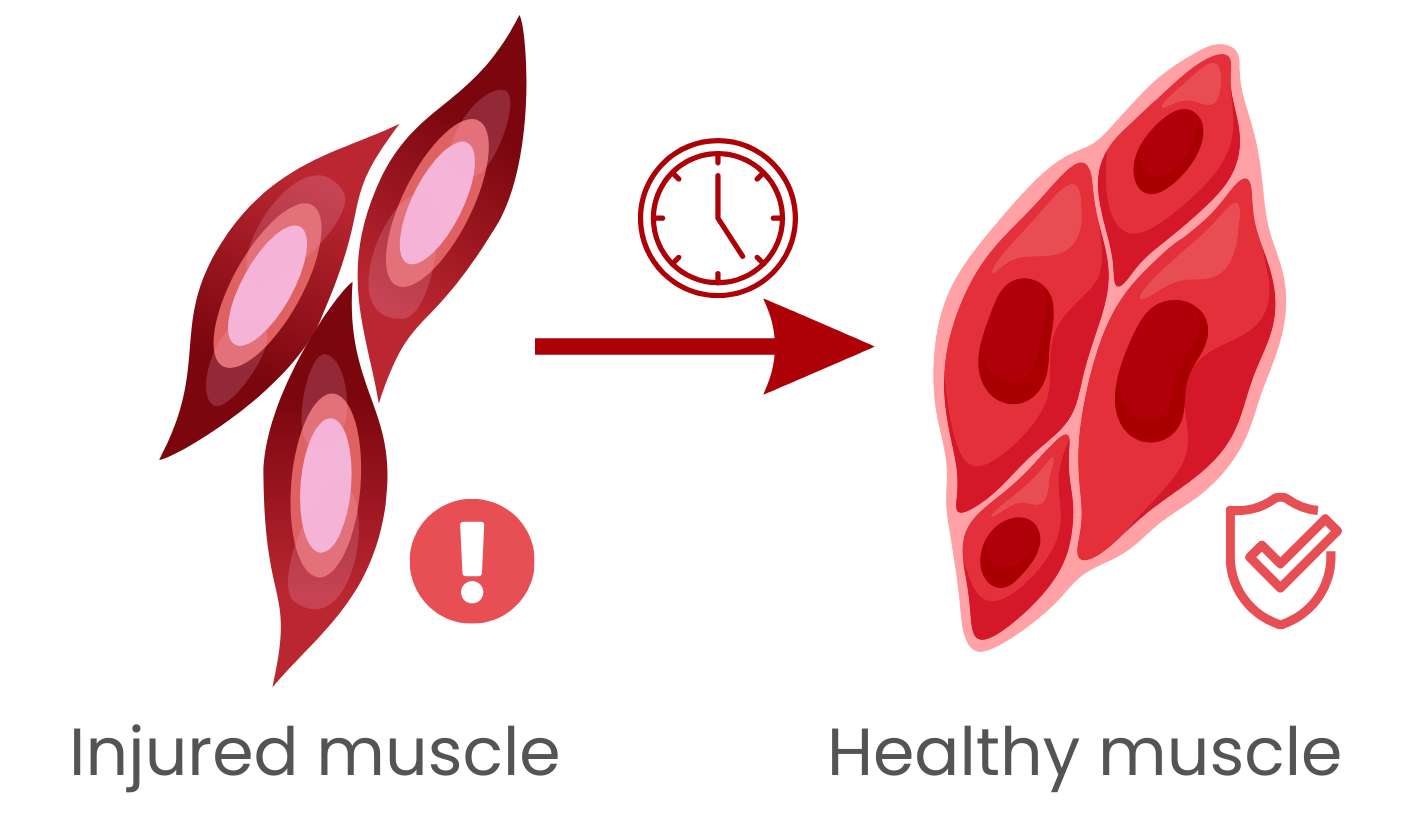
Hearts can’t do this, because the heart muscle is constantly active, constantly pumping blood, and isn’t able to rest like our other muscles. If healthy hearts are incapable of resting and therefore incapable of regenerating muscle cells, then failing hearts are at an even larger disadvantage.
Because of this problem, current research in the field of heart disease is focused on finding a way to regenerate these muscle cells and restore normal function to prevent further damage to the heart.
Is there a treatment option?
A potential treatment option for heart failure, other than a heart transplant, is a pump replacement using an artificial heart which helps to circulate blood around the body.
This is known as a left ventricular assist device (or an LVAD for short) which has been tried, tested, and in treatment circulation for years. In other words, it is a very reliable treatment option.
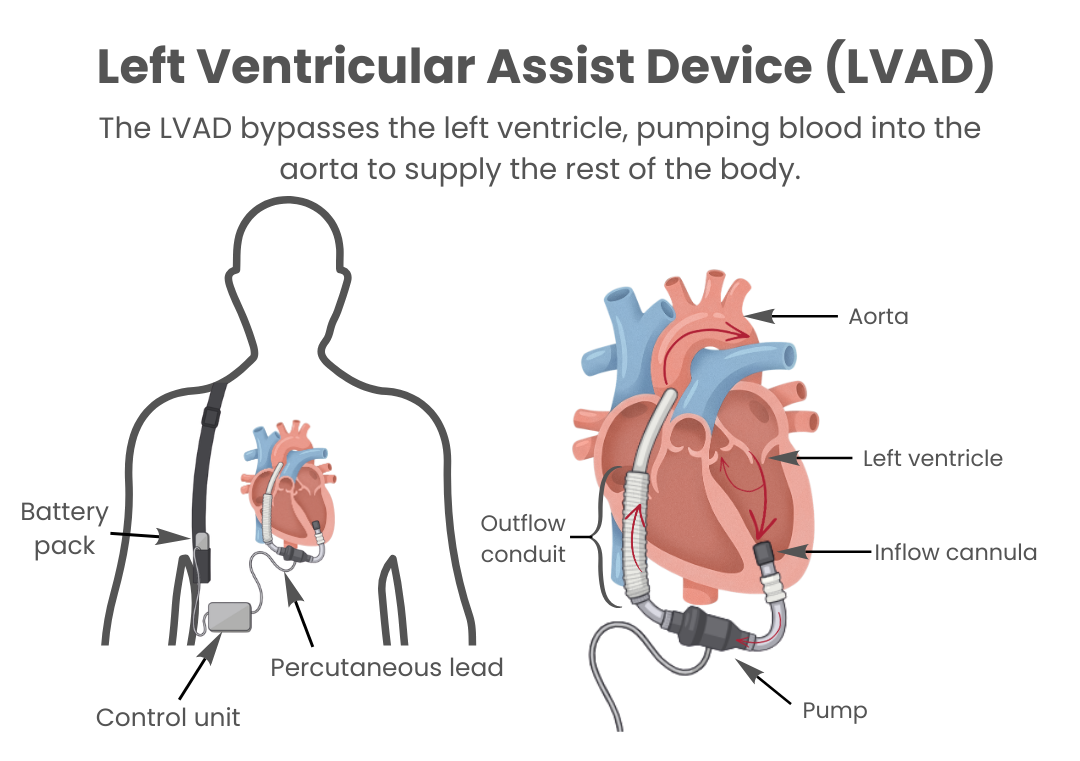
So what exactly is the main function of this treatment? LVADs bypass the heart and pump blood directly into the aorta, the largest artery in the human body, which supplies the rest of the body with blood.
LVADs essentially allow for the heart muscle to rest.
What’s the recent breakthrough?
Now this is where things get interesting. Researchers have found that a small proportion of artificial heart patients were able to have these devices removed following the reversal of symptoms, but these researchers were unable to confirm whether this reversal was due to heart muscle regeneration in humans – until now.
In a fascinating recent study, it was discovered that some artificial heart patients are able to regenerate heart muscle, which could reveal new treatment options and a potential cure for heart failure.
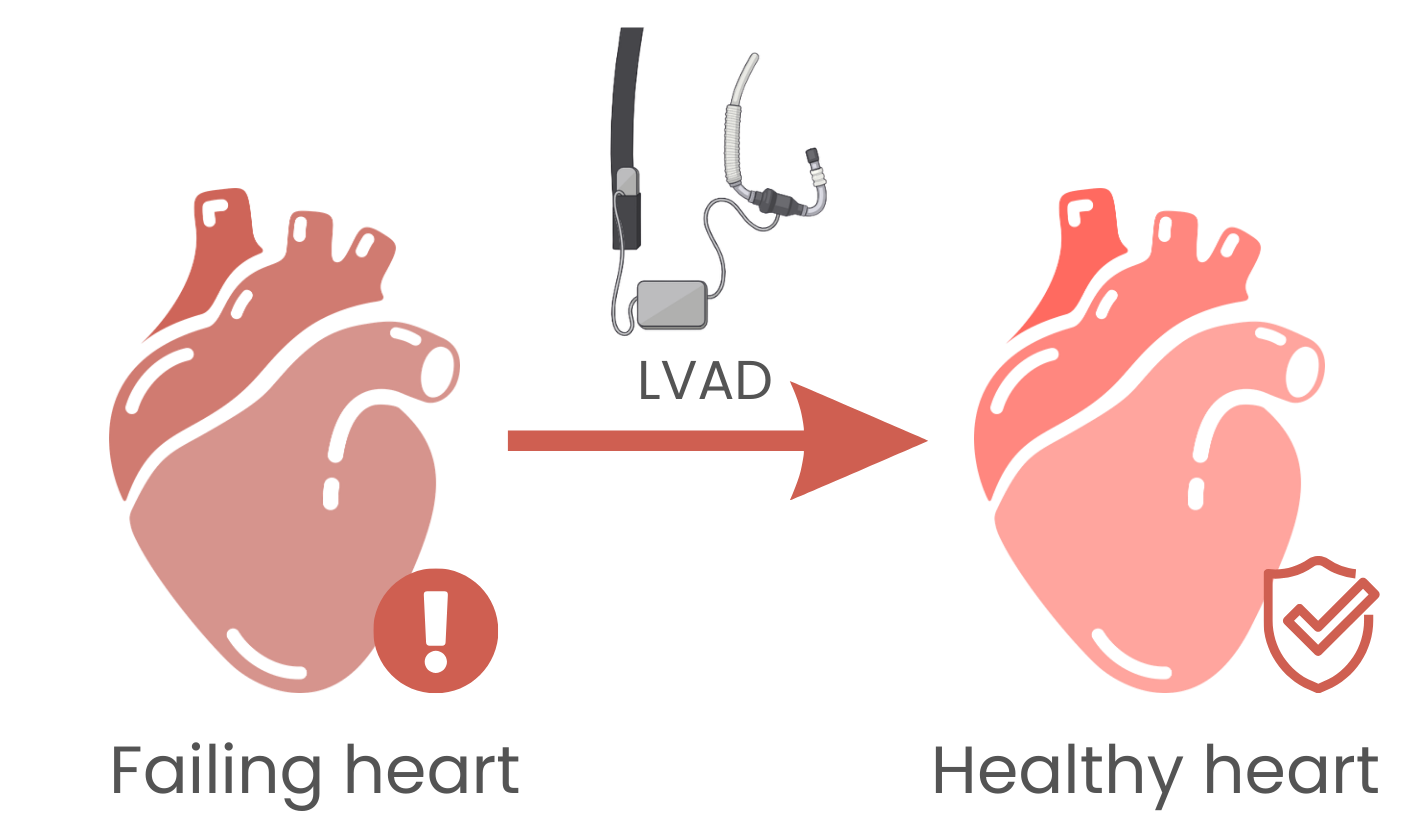
How exactly did they reach these findings? Scientists used tissue from both artificial and healthy heart patients and a method of carbon dating in order to track whether the samples contained newly generated heart muscle cells or not.
Using this method, researchers found that some artificial heart samples could regenerate at over six times the rate of healthy hearts.
This proves the revolutionary theory that the human heart has an intrinsic ability to regenerate its cells, which is invaluable information in the current efforts to find a cure for heart failure.
Are there any limitations?
Whilst the data is an important advancement in the field of heart failure treatments, there are limitations in the success rates of the study.
Only 25% of artificial patients were deemed to be ‘responders’, which means that their heart muscles were able to regenerate using the artificial device. Consequently, 75% of patients weren’t ‘responders’.
Why some patients respond and others don’t is not yet known, but these findings reveal new avenues for further research. If we can find out why this process only occurs in 25% of artificial patients, then it could be possible to induce this in all patients and expand the scope of this interesting treatment option.
So, to recap: a recent study demonstrates that there is a new target for heart muscle regeneration using a support device. This allows the heart to rest, in turn allowing for the regeneration of muscle cells. If this process can be transferred to all patients, not just a small proportion, then there is the potential to cure heart failure.
If you found this topic fascinating, consider checking out my other summaries in Science Made Simple, such as the biological enigma of diapause or our DNA’s ability to control whether our genes are switched on or off.
Stay curious!
References
Derks, W., Rode, J., Collin, S., Rost, F., Heinke, P., Hariharan, A., Pickel, L., Simonova, I., Lázár, E., Graham, E., Jashari, R., Andrä, M., Jeppsson, A., Salehpour, M., Alkass, K., Druid, H., Kyriakopoulos, C.P., Taleb, I., Shankar, T.S. and Selzman, C.H. (2024). A Latent Cardiomyocyte Regeneration Potential in Human Heart Disease. Circulation. doi:https://doi.org/10.1161/circulationaha.123.067156.